Agricultural Building Insulation Farmington, NM
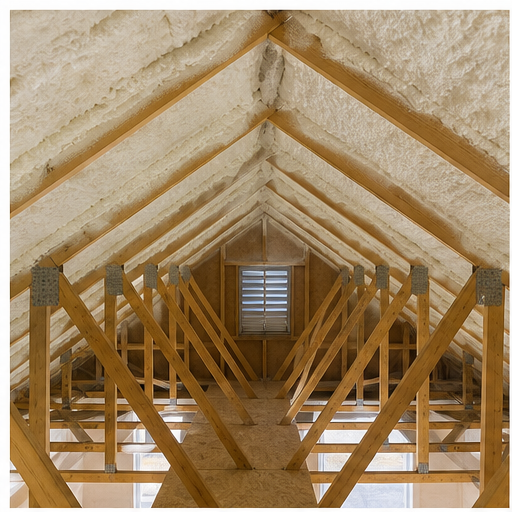
Farmington Spray Foam Insulation Pros routes agricultural building insulation requests to local contractors serving San Juan County farm and ranch properties.
Hay barn, equipment shed, and livestock building insulation help for San Juan County farm and ranch properties. Use the form to include the property area, timing, access details, approximate size, and current condition.
About This Service
A strong quote request names the property city, the building type, the approximate area to be insulated, and the main goal for the project. That single paragraph of context is often the difference between a rough phone-quote and a bid that holds up once a contractor is on site.
What Affects The Quote
- Building type, framing depth, and whether framing or metal panels are exposed.
- Access, ventilation, cure/re-entry timing, and site conditions.
- Whether the job is new construction, a retrofit, or a repair after moisture or pest damage.
- Photos, measurements, and notes about existing insulation or symptoms.
Farm and ranch buildings across San Juan County's river valleys
San Juan County's agricultural activity is concentrated along the Animas, San Juan, and La Plata river valleys, where irrigated land supports hay and alfalfa production, orchards near Aztec, and cattle and horse operations spread across Farmington, Bloomfield, and Kirtland. Farm and ranch buildings in this area range from older wood-frame barns to newer steel pole buildings, and each type has a different insulation strategy. A metal-roofed hay barn or equipment shed deals with the same condensation risk as a commercial steel building, while an older wood barn used for livestock may need a different approach focused on ventilation and moisture control rather than a sealed, insulated envelope.
Hay barns, equipment sheds, and stable storage temperatures
Stored hay, feed, and equipment all benefit from a more stable interior temperature and reduced condensation risk, particularly in a climate with the kind of daily and seasonal temperature swings San Juan County sees. Condensation dripping from an uninsulated metal roof onto stored hay can lead to mold and spoilage, and the same moisture cycling can accelerate rust and wear on stored equipment, tools, and vehicles. Insulating the roof deck of a hay barn or equipment shed is often the highest-value single step, since that is where the largest surface area and the most direct sun exposure are concentrated.
Livestock buildings and condensation control
Buildings that house livestock generate their own interior moisture from animal respiration and waste, which raises the humidity level inside the structure and increases condensation risk on an uninsulated metal roof or wall, especially overnight when the outside temperature drops. Ventilation and insulation need to be planned together in a livestock building rather than treated as separate decisions, since sealing a building tightly without adequate ventilation can trap moisture and create air-quality problems for the animals inside. A contractor experienced with agricultural buildings will typically ask about the number and type of animals housed, current ventilation, and how the building is used across seasons before recommending a foam and ventilation plan.
New construction versus retrofitting an existing building
Insulating a metal agricultural building during new construction is generally more straightforward than retrofitting an existing one, since the foam can be applied to bare panels before shelving, equipment, stalls, or stored material are in place. Retrofit projects on an existing barn or shop need a plan for working around whatever is currently stored or housed in the building, which can mean scheduling the work in phases or during a period when the building is emptied out. Noting whether a project is new construction or a retrofit, and what timing flexibility exists, helps a contractor plan the visit and the crew size needed.
Orchards, irrigation infrastructure, and packing or storage buildings
The Animas River valley around Aztec has a long history of orchard agriculture, and properties with fruit production sometimes include packing sheds, cold storage buildings, or equipment barns tied to harvest operations. These buildings can have narrower seasonal use patterns than a year-round livestock or equipment barn, which affects how insulation is prioritized — a packing shed used mainly during a few weeks of harvest has different priorities than a shop used every day. Mentioning how a building is used across the year, including any seasonal-only use, helps a contractor recommend a scope that matches the actual need rather than a one-size-fits-all approach.
Access and prep for agricultural building work
Large open bays, high rooflines, and equipment or livestock that need to be relocated during the work all affect how an agricultural building insulation job is scoped. Overhead doors, loading areas, and any interior partitions or stalls should be noted in the quote request, along with whether the building is in active use during the project or can be cleared out entirely. Dust, feed, and debris common in farm buildings also factor into prep and cleanup planning compared to a typical residential or commercial job, and a contractor may recommend scheduling around a slower stretch of the farm calendar to minimize disruption.
Questions to ask about an agricultural building bid
Ask whether the quote addresses roof panels, wall panels, or both, and how the plan handles purlins, girts, and any skylights or vents common in ag buildings. Ask how the contractor plans to work around stored hay, equipment, or livestock, and what timing options exist if the building cannot be fully emptied. Ask about ventilation recommendations alongside the insulation plan, particularly for any building that houses animals, and ask whether the quoted foam type and thickness is suited to an unheated building that swings from summer heat into winter freezes without mechanical climate control. The metal building and shop insulation page covers more on condensation control for steel structures generally.